
Alocasia Zebrina / Zebra Alocasia
Alocasia zebrina
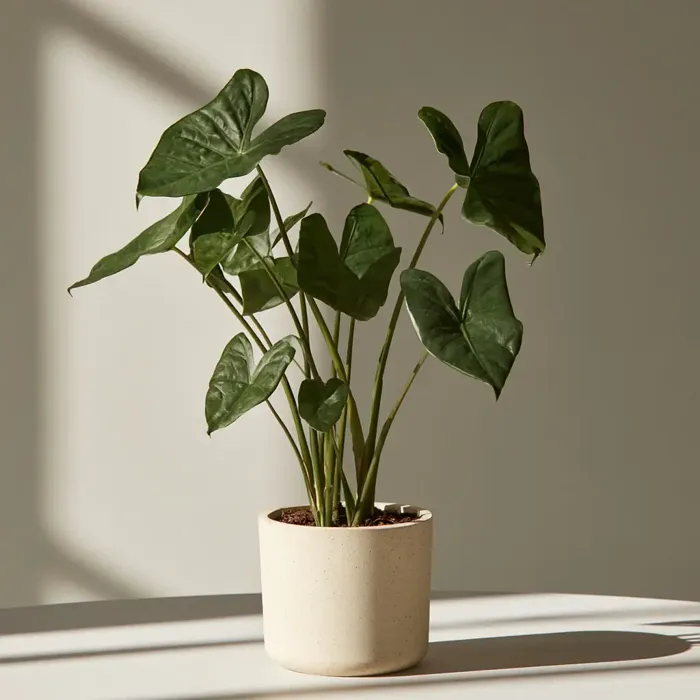
description

Alocasia Zebrina is a tropical aroid grown for arrow-shaped leaves and striped stems.
benefits
- Suitable for containers
warnings
- Toxic to cats
- Toxic to dogs
How to care for Alocasia Zebrina
sunlight
In its tropical forest habitat, Alocasia zebrina grows in bright light filtered by taller plants. Give it a bright spot indoors with plenty of indirect light to support strong stems and larger leaves.
Bright indirect light


Place it near an east-facing window, or a few feet back from a south or west window behind a sheer curtain. Gentle early morning sun is usually fine, but strong midday or afternoon sun can scorch the leaves.
watering
Keep the mix lightly and evenly moist, but never leave Alocasia Zebrina sitting in water. Water thoroughly until excess drains, then empty the saucer.
Spring - summer


In active growth, this is often about every 5-8 days. Check first: water when the top 1-2 inches of mix feels dry and the pot is noticeably lighter, while deeper soil is still slightly moist.
Autumn - winter
In cooler, lower-light conditions, water roughly every 10-14 days. Let the top half of the mix dry before watering, but do not allow the root ball to stay bone-dry for long.
Bright light, warmth, a small terracotta pot, and a chunky mix speed drying. Low light, cool rooms, a large pot, and dense soil slow it down.

humidity
Preferred humidity
Alocasia zebrina comes from warm, humid tropical forests, so it grows best with moderately humid air. Average homes around 40-50% are usually fine, but keep it away from heating vents, radiators, and air conditioning.
Increase humidity around the plant by:
- Grouping it with other plants
- Using a humidifier nearby, especially during heated winter months
- Keeping it in a bright bathroom or kitchen if the light is suitable
Good airflow still matters. Avoid enclosing the plant in stagnant, constantly damp air, which can encourage leaf problems.
temperature
Preferred temperature
Winter minimum
Native to the tropical Philippines, Alocasia zebrina prefers steady warmth. Growth slows in cooler rooms, so keep it comfortably above 15°C (59°F) and away from chilly windows in winter.
nutrition
March - August
Feed about every 4 weeks while your Alocasia zebrina is producing new leaves. Use a balanced liquid houseplant fertilizer at half the label strength, applied to already-moist soil. Stop feeding in autumn and winter unless it is actively growing in warm, bright conditions.
Nitrogen
Nitrogen supports the large green leaves. A balanced fertilizer provides enough without pushing soft, weak growth.
Magnesium
Magnesium helps keep foliage green and supports photosynthesis. A complete houseplant fertilizer usually supplies it.
soil
Airy, moisture-retentive soil
Alocasia zebrina has fleshy roots that need steady moisture but can rot in dense, soggy compost. Use a rich indoor potting mix loosened with perlite, pumice, or orchid bark so excess water drains freely.
pH 5,5 - 6,5
This is slightly acidic soil, which suits nutrient uptake. Most peat- or coco-based houseplant mixes fall near this range; avoid strongly alkaline garden soil or mixes made mainly from lime-rich materials.