
Asparagus Fern / Emerald Fern / Sprenger's Asparagus
Asparagus densiflorus
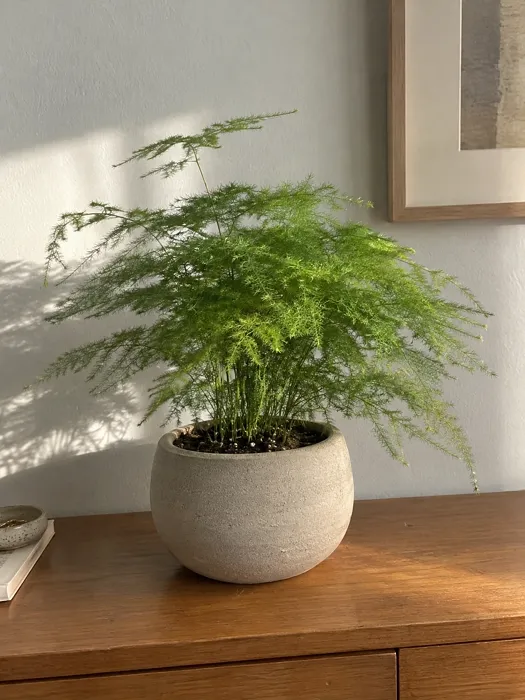
description

How to care for Asparagus Fern
sunlight
In its native southern African woodland and coastal habitats, asparagus fern grows in bright, filtered light. Place it near an east-facing window or a bright window with a sheer curtain at home.
Bright indirect light


This is the best indoor light. Keep the plant close to a bright window while filtering strong midday sun. Rotate it every few weeks for even growth. Healthy new stems should stay full and green.
Lower light (tolerated)
It can manage a spot farther from a window, but growth may become thin and sparse. Move it brighter if stems stretch, leaves pale, or new growth is weak.
watering
Keep the soil lightly and evenly moist, but never waterlogged. Water thoroughly when the top 1-2 inches of soil feel dry, then let excess drain away.
Spring - Summer


As a starting point, water about every 5-7 days. Check the soil first, since bright light, warmth, low humidity, a small pot, or a fast-draining mix can shorten the interval.
Autumn - Winter
Water roughly every 10-14 days in cooler or lower-light conditions. Wait until the top 1-2 inches are dry, but do not let the root ball become completely dry. A pot that feels noticeably lighter is another useful check.

humidity
Asparagus fern grows in warm, humid areas of southern Africa, but it adapts well to ordinary homes. Aim for moderate humidity and keep it away from persistently dry heat.
Preferred humidity
A household range of about 30-70% is usually acceptable. Very dry air can cause yellowing, brown tips, or crisp, dropping foliage, especially near radiators or heating vents.
- Group plants together, use a room humidifier, or place the pot on a pebble tray with water below the pot base.
- Keep good air movement around the plant, and avoid leaving the foliage constantly wet, which can encourage disease.
temperature
Preferred range
Winter minimum
Asparagus fern comes from warm, frost-free parts of South Africa, so keep it in a comfortably warm room and protect it from cold drafts. It may cope with brief cooler conditions, but growth slows and fronds can yellow when temperatures stay near the minimum.
nutrition
March - September
Feed approximately every four weeks with a balanced liquid houseplant fertilizer diluted to half the label strength while it is actively growing. Skip feeding in winter, unless the plant stays warm and bright and continues producing new growth. Water normally if growth slows or fertilizer salts collect on the soil surface.
Nitrogen
Nitrogen supports the Asparagus Fern's fine, leafy stems and rich green color. Regular half-strength feeding usually provides enough, while pale new growth can suggest low light or a need for nutrients.
Potassium
Potassium supports sturdy growth and helps the plant use water effectively. A balanced fertilizer supplies enough, so extra potassium is rarely needed.
soil
Moisture-retentive, well-draining soil
Asparagus fern prefers airy soil that holds some moisture without becoming soggy. Use a good-quality indoor potting mix with extra perlite or coarse bark, and choose a pot with drainage holes.
pH 5,5 - 6,5
This is mildly acidic to slightly acidic. Most indoor potting mixes suit it; avoid heavily limed mixes, and refresh compacted soil if water pools on the surface or drains very slowly.