
Bird of Paradise / Crane Flower
Strelitzia reginae
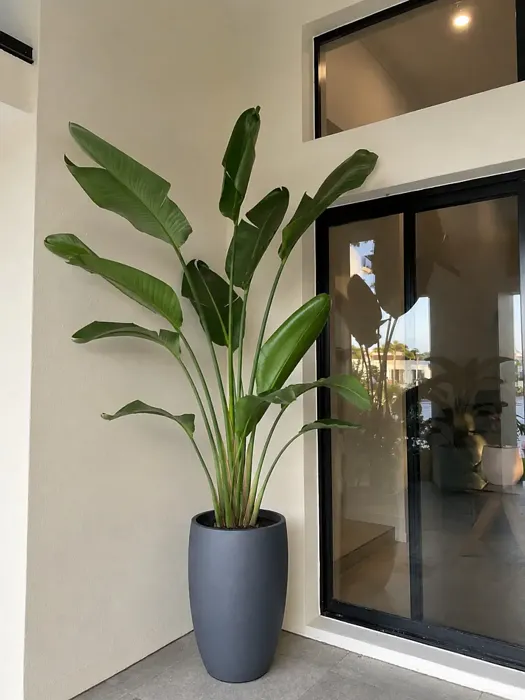
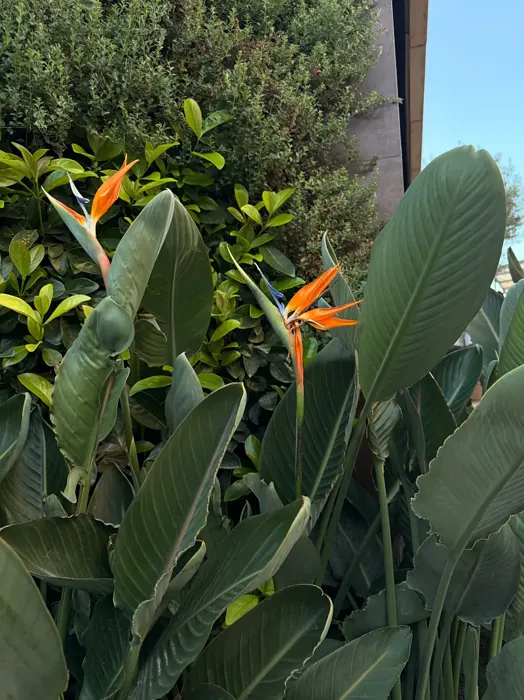
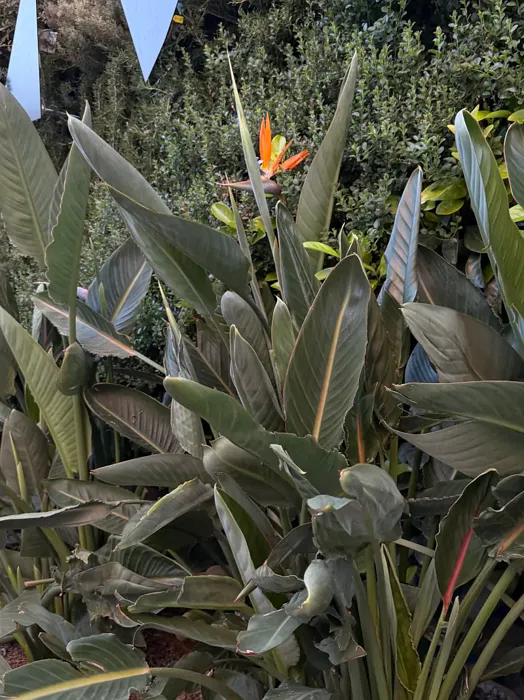
description

Bird of Paradise (Strelitzia reginae), also called Crane Flower, grows in bold clumps of long-stalked, paddle-shaped leaves. Its orange and blue flowers resemble a bird’s head emerging from a boat-shaped bract. Native to South Africa, the blooms are adapted for bird pollination: sunbirds perch on the sturdy bract and pick up pollen as they feed.
benefits
- Suitable for containers
warnings
- Toxic to cats
- Toxic to dogs
How to care for Bird of Paradise
sunlight
In South Africa, Bird of Paradise grows in open, sunny places rather than deep forest shade. Give it the brightest spot you have to keep leaves sturdy and encourage flowers.
Bright indirect light


This is tolerated, especially near an east window or set back from a sunny south or west window. Growth will be slower and flowering is less likely.
Several hours of direct sun
Best for established plants: place close to a south or west window, with a few hours of direct sun daily. Introduce stronger sun gradually over 1-2 weeks so leaves do not scorch.
watering
Water deeply, then let the top 2-3 in (5-7 cm) of soil dry before watering again. Bird of Paradise dislikes sitting in wet soil, but its large leaves need steady moisture while it is actively growing.
Spring - summer


In bright, warm conditions, water about every 7-10 days. Check below the surface first: water when the upper few inches are dry and the pot feels noticeably lighter. Soak until water drains out, then empty the saucer.
Fall - winter
With lower light and cooler temperatures, watering may drop to roughly every 2-3 weeks. Let more of the mix dry, but do not leave the root ball bone-dry for long.
Use these intervals as a starting point. Bright light, heat, small terracotta pots, and a fast-draining mix dry faster; low light, cool rooms, large pots, and dense soil stay wet longer.

humidity
Native to subtropical South Africa, Bird of Paradise handles normal indoor air well but keeps cleaner leaf edges in moderate humidity.
Acceptable indoors
Aim for at least 40% relative humidity. It prefers about 50-60%, especially while growing actively in warm, bright conditions. Persistently dry air can cause brown, crisp leaf tips or edges and curled new leaves.
How to increase humidity
- Run a humidifier nearby if humidity stays below 40%.
- Group plants together to create a slightly more humid pocket of air.
- Give the leaves an occasional wipe to remove dust and help them use available light.
temperature
Preferred temperature
Winter minimum
Native to warm South African coasts, Bird of Paradise grows best in steady indoor warmth. Growth slows in cooler rooms, and prolonged cold can damage leaves and roots.
nutrition
March - August
Feed every 2-4 weeks while the plant is making new leaves, using a balanced liquid houseplant fertilizer diluted to about half strength. Stop feeding in autumn and winter unless it is still growing steadily in very bright, warm conditions.
Nitrogen
Nitrogen supports the large green leaves. A balanced fertilizer provides enough without pushing weak, overly soft growth.
Potassium
Potassium supports sturdy growth and flowering in mature plants. It is supplied by a general balanced fertilizer.
soil
Rich, airy, well-draining soil
Bird of Paradise likes moisture around its substantial roots, but not a dense, soggy pot. Use a quality indoor potting mix loosened with perlite, pumice, or coarse bark to hold nutrients while letting excess water drain freely.
pH 5,5 - 7,5
This range runs from slightly acidic through neutral to slightly alkaline. Most fresh houseplant mixes fall within it, so choose a balanced mix rather than trying to adjust pH unless your water or soil is unusually alkaline.