
Swedish Ivy / Swedish Begonia / Whorled Plectranthus
Plectranthus verticillatus
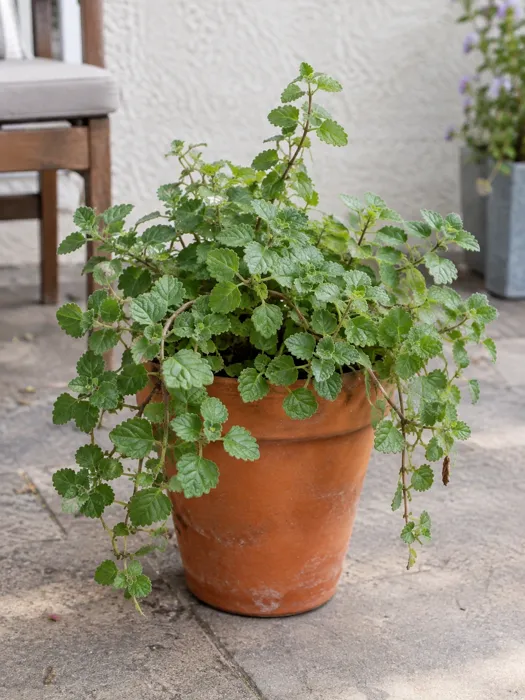
description

Swedish Ivy (Plectranthus verticillatus) has glossy, rounded leaves with scalloped edges on soft, trailing stems. Small clusters of pale flowers can appear above the foliage, adding a delicate contrast to its lush growth. Despite its common name, it is not a true ivy, and it roots readily from stem cuttings.
How to care for Swedish Ivy
sunlight
Swedish Ivy grows in bright, filtered light in its native southeastern African habitats. Place it near an east- or west-facing window, or a little back from a brighter window, so its trailing stems stay full without scorching.
Bright indirect light


This is the best light for compact growth and abundant leaves. A few hours of gentle morning or late-day sun are usually fine, but filter strong midday sun through a sheer curtain. Pale, bleached patches mean the light is too intense.
Medium light, tolerated
It can manage a slightly darker spot, but growth may become thin and the stems may stretch toward the window. If that happens, move it closer to a bright window or rotate the pot every week or two for even growth.
watering
Water when the top 2-3 cm of soil feels dry, then soak the mix until water drains from the pot. Empty the saucer so the roots do not sit in water.
Spring - Summer


Start with about every 5-10 days. Check the soil before watering, since bright light, warmth, a small pot, or a fast-draining mix can shorten the interval.
Autumn - Winter
Start with roughly every 10-20 days in cooler or lower-light conditions. Let the top 3-5 cm dry first, and water less often if the pot still feels heavy or the soil remains damp.

humidity
Swedish ivy comes from warm, sheltered habitats in southeastern Africa, so it prefers moderate humidity but usually adapts well to ordinary homes.
Preferred humidity
Household humidity around 30-70% is generally acceptable. If the air stays below about 30-40%, watch for crispy brown edges, curling leaves, or leaf drop, especially near heating or strong airflow.
- Group plants together, or place the pot near a humidifier.
- Keep it away from radiators, heating vents, and cold drafts.
- Use a hygrometer to check the air rather than relying on misting.
temperature
Preferred range
Winter minimum
Swedish Ivy comes from warm parts of southern Africa, so it grows best in steady indoor warmth. Keep it away from cold windows, drafts, and heat sources, especially when nights fall below 10°C (50°F).
nutrition
March - September
Feed every 3-4 weeks with a balanced liquid houseplant fertilizer diluted to half the label strength, applied to already moist soil. Stop in autumn and winter, unless the plant remains actively growing in bright, warm conditions.
Nitrogen
Nitrogen supports the lush leaves and trailing growth. A balanced fertilizer supplies enough when new growth is steady and leaves remain evenly green.
Potassium
Potassium supports overall vigor and helps the plant use water effectively. Normal balanced feeding is usually sufficient.
soil
Light, well-draining soil
A loose, airy mix lets Swedish Ivy roots breathe while holding some moisture. Use a quality houseplant mix with perlite or pumice, and choose a pot with a drainage hole.
pH 6,0 - 7,0
This mildly acidic to neutral range suits the plant. A standard houseplant mix is usually suitable, and avoid adding lime unless a soil test shows the mix is too acidic.